
Keeping coal plant online isn’t just costly, it risks Michiganders’ health

As published in Bridge Michigan on Nov. 14, 2025.
By Teresa Homsi and Alex Rabin
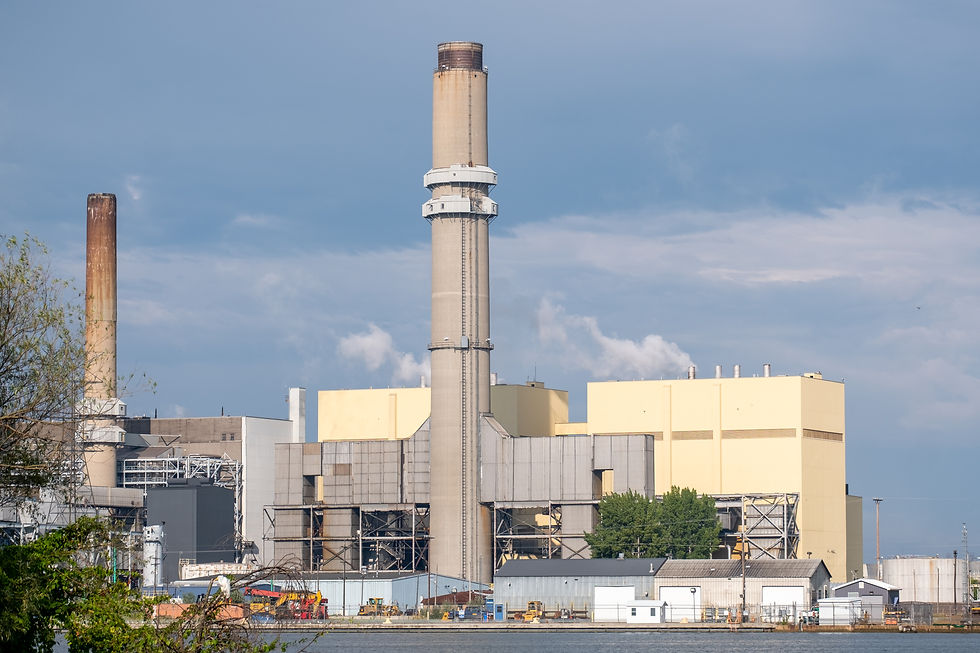
Joining a slew of retired coal power plants in the state, the J.H. Campbell Generating Plant’s planned closure in West Olive was meant to signal the beginning of a new era – one where our energy needs can be met by cleaner, more sustainable means.
But just a week before Campbell was supposed to power down, the U.S. Department of Energy issued an emergency order to Consumers Energy on May 23 to keep the plant online. With another extension on the horizon, it’s unclear how long the Campbell plant will be caught in limbo.
As long as Campbell and other coal-fired power plants keep polluting the air, Michiganders will continue to suffer immediate and long-term health consequences.
Most coverage has focused on the financial cost to ratepayers – including the more than $80 million Consumers has already spent to keep Campbell running from May to September. But the human toll of coal is beyond economic comprehension, contributing to overburdened healthcare systems, sick children, and preventable, premature deaths.
Representing more than 400 Michigan health professionals, we at the Michigan Clinicians for Climate Action (MiCCA) know from a vast body of literature that coal-burning power plants are a major source of fine particulate matter air pollution.
Airborne particles smaller than 2.5 microns in diameter – known as PM2.5 – are imperceptible to the human eye. The smaller the particles, the greater the health risk, as they can penetrate deep into the lungs and even enter the bloodstream. PM2.5 exposure is linked to a myriad of respiratory, cardiovascular and neurological issues.
Many industrial activities emit PM2.5, including vehicle tailpipe emissions and the combustion of oil and natural gas. These sources are a significant concern for clinicians in our network, but coal pollution is especially harmful to public health.
In a 2023 study published in Science, researchers found that PM2.5 from coal was associated with a 2.1-times greater risk of death than other sources of air pollution. Using emissions and Medicare data, the study’s authors also found that 460,000 deaths in the U.S. were attributable to coal-related PM2.5 from 1999 to 2020.
And PM2.5 isn’t the only pollutant associated with coal power plants. Nitrogen oxides, sulfur dioxide, and heavy metals like mercury, lead and arsenic are all linked to coal-fired generation.
Robust data shows that people living near coal-fired power plants face higher rates of hospitalization, chronic lung disease, and premature deaths. Pregnant women are more likely to experience adverse birth outcomes such as low birthweight, and research suggests that exposure to coal ash can harm children’s cognitive development.
Fortunately, as coal plants have shuttered, researchers have noted a decrease in associated mortality rates, meaning these deaths can be prevented. Trips to the emergency department and hospitalizations for lung-related causes have dropped, too.
The misguided order to keep Campbell operational also comes amid a number of proposed federal rollbacks that would weaken regulations on several public health measures, including the Mercury and Air Toxics Standards, which limit emissions of these hazardous pollutants from power plants.
Beyond the health burdens, economic costs, and legal concerns around the order, Campbell is also inefficient. In legal filings challenging the order, environmental groups detailed how even during the summer’s highest demand day, the regional grid operator had a surplus of energy.
Actions that rescind environmental protections and force the continued operation of dirty coal are shortsighted and threaten to reverse decades of public health progress.
As health professionals, we cannot understate the importance of having affordable and reliable energy. But there is no evidence-based justification for prolonging a technology that is no longer necessary to meet our energy needs and causes undue harm to our most vulnerable communities.
We hope Michigan Attorney General Dana Nessel will continue to fight this irrational order, and we call on the U.S. Department of Energy to end this political theater and leave coal in the 20th century, where it belongs.


Comments