
Reflecting on "do no harm" in the face of climate change

Updated: Nov 25, 2025

What does “do no harm” mean in the face of climate change?
That’s what we asked dozens of attendees during our 2nd Annual Climate and Health Conference in Grand Rapids last Saturday. The question inspired fruitful discussions about the line health professionals have to walk when we evaluate short-term, immediate health risks and consider the existential dread climate change presents, where we have no easy cures.
The Hippocratic oath is a simple principle behind medicine, but like many guidelines, it’s easier to tell people what NOT to do than what they should do in a messy, ever-changing world.
Health professionals are faced with ethical dilemmas on a near daily basis, and we are tasked with the heavy responsibility of using our discretion to respond to complicated situations.
Our discussion question has no single, straightforward answer, but here’s what our attendees had to say, responding to what “do no harm” means to them, how they feel about it, or what a new principle could be:

Now, as every year brings some kind of record-breaking event related to extreme heat or severe storms, we feel the temperature rising in many ways. 2025 has been additionally challenging as we’ve seen dozens of climate and public health programs be dismantled.
But our event perfectly encapsulated what gives us hope in these difficult times — you all.
Thanks to our fantastic speakers, we heard from so many dedicated individuals who are passionate and committed to improving their healthcare systems and supporting their communities.
When we contemplated what “do no harm” means in today’s context, we recognized that it cannot be passive bystanders. In order to not harm others, we need to be proactive in addressing the sources of harm.
For MiCCA, that means having systems in place to hold fossil fuel industries accountable, transitioning to clean energy sources that immediately address pollution and reduce our greenhouse gas emissions, improving infrastructure to better prepare for climate health risks, and supporting a natural and built environment that promotes wellness.
With your support, we’re working to educate health professionals, the general public, and policymakers on how to take actionable steps toward these big-picture goals. Like water dripping on a stone, we believe our persistence will pay off.
As we approach the new year, MiCCA has some exciting developments on the horizon that we’ll soon be sharing with you.
Thank you to everyone who attended the conference! We look forward to making next year’s event even better, and you can help us achieve our goals by donating to MiCCA here.
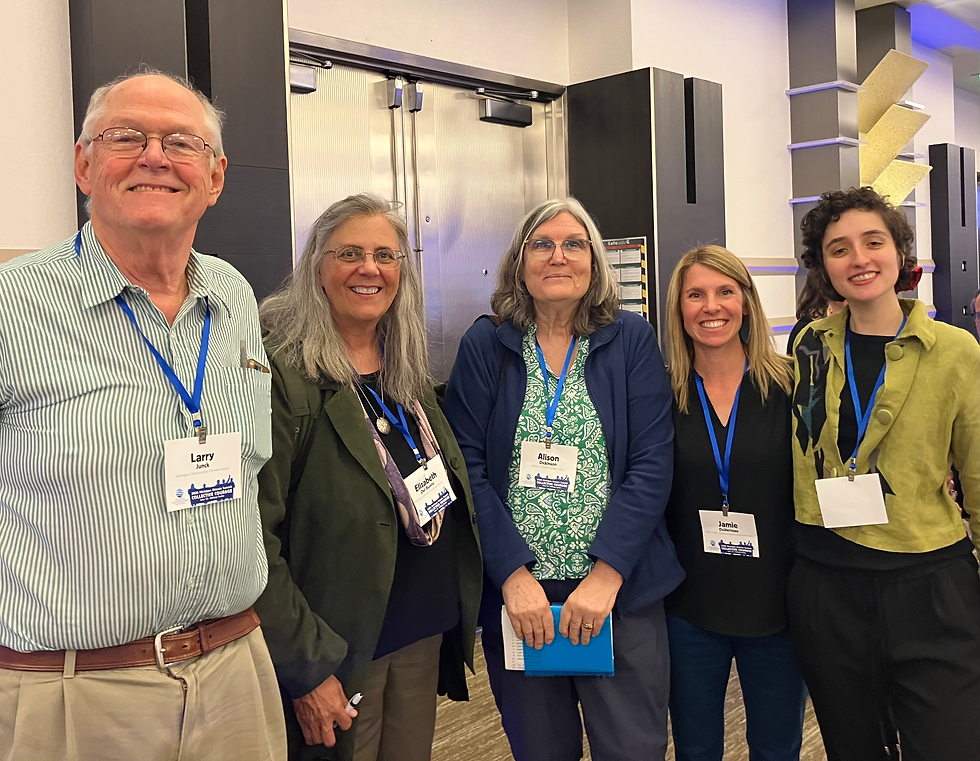
We encourage you to share your photos, highlights, and takeaways from the event with us and on social media! See our full photo library from the event here. Please feel free to post them with #MiCCAEvent and tag us on social media!
Thank you,
Teresa Homsi,
MiCCA Deputy Director


Comments